
The Connection Between Stress and Hair Loss
At Just B Beautiful, we understand that hair is more than just what grows on your head—it's a part of your identity, your confidence, and your personal style. When hair thinning or loss becomes noticeable, it can be devastating, especially when stress is the main culprit.
In our Salon located on 4th Street in St. Petersburg, we specialize in helping clients not only regain the health and vitality of their hair but also find the peace of mind to support long-term wellness. Stress and hair loss are deeply intertwined, but the good news is that with the right information, care, and professional services, you can take proactive steps to manage both.
Understanding the Link Between Stress and Hair Loss
Stress impacts nearly every part of our physical health, including skin, digestion, and mental well-being. However, one often-overlooked area it affects is your hair. Both acute and chronic stress can trigger several kinds of hair loss, including:
Telogen Effluvium
Telogen Effluvium is one of the most common forms of stress-related hair loss. Normally, your hair grows in cycles, with most strands being actively in the growth phase (anagen phase) and a smaller percentage in a resting phase (telogen phase). Severe physical or emotional stress can disrupt this cycle, prematurely pushing more hairs into the resting phase, which is followed by shedding. You might notice unusual amounts of hair on your pillow, in the shower, or your hairbrush.
Alopecia Areata
Alopecia Areata is an autoimmune condition that can be triggered or worsened by extreme stress. In this condition, your immune system mistakenly attacks your hair follicles, resulting in sudden, patchy hair loss on the scalp and sometimes other areas of the body.
Trichotillomania
Stress can also lead to compulsive behaviors like Trichotillomania, a condition where individuals pull out their own hair as a way to cope with overwhelming stress, anxiety, or negative emotions.
Chronic Stress and Hair Growth Inhibition
Chronic, long-term stress can increase the production of stress hormones such as cortisol. High levels of cortisol can disrupt your hair follicle's normal cycle, weakening their ability to produce healthy, strong hair.
How Does Stress Affect the Hair?
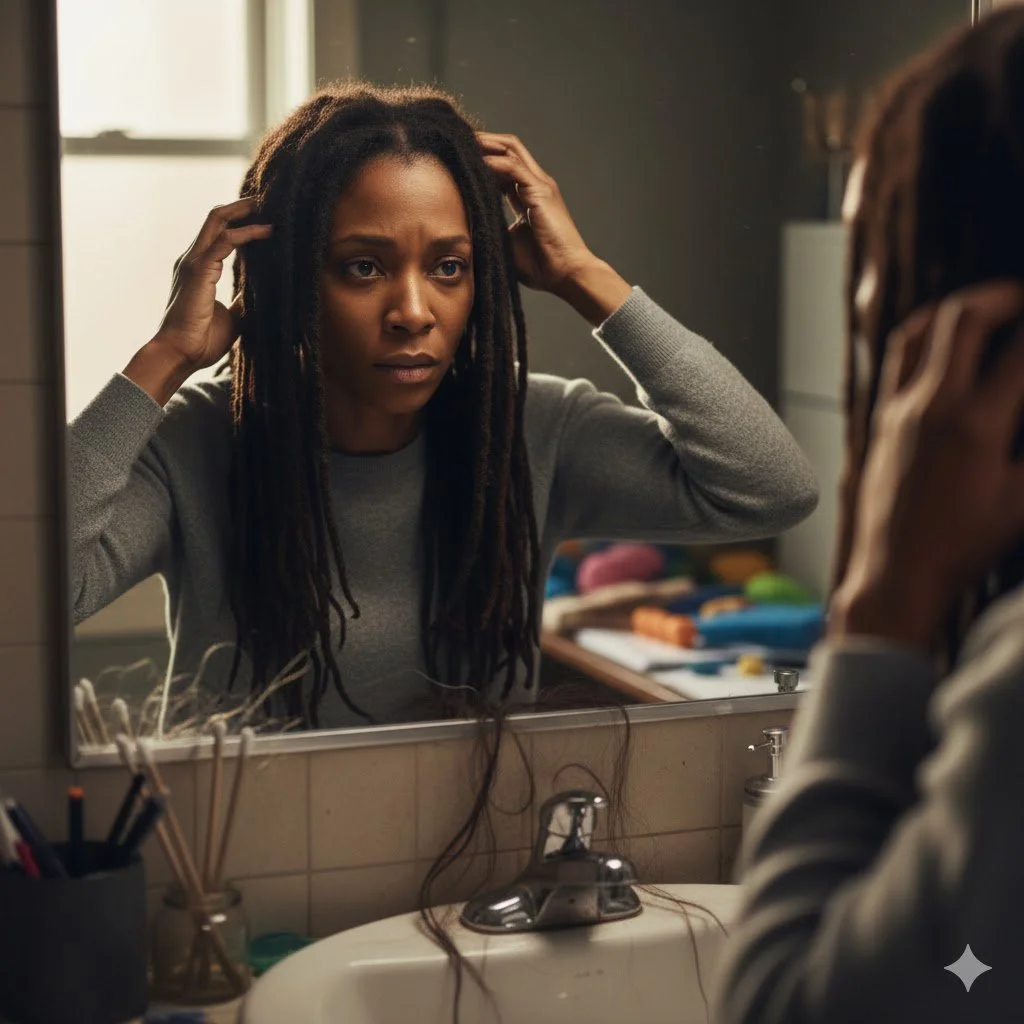
To fully understand how stress affects your hair, it’s worth diving into the science. When you’re under stress, your body goes into fight-or-flight mode. This response increases the production of cortisol, the primary stress hormone, which can disrupt the hair’s natural growth process. Over time, stress also impacts the delivery of oxygen and vital nutrients to the hair follicles, which results in hair that is weaker, brittle, and more prone to falling out.
The effects of stress are not immediate, which can make it difficult to pinpoint. For instance, after a traumatic event or prolonged stress, you might notice hair loss three to six months later. Factors like physical illness, extreme weight loss, emotional traumas, or even job pressures can all cause this delayed reaction.
For some individuals, these conditions resolve on their own when the stress subsides. However, for others, hair loss can linger and worsen without professional intervention.
The Emotional Impact of Stress-Related Hair Loss
The cycle of stress and hair loss often becomes self-reinforcing: stress causes hair loss, hair loss causes more stress, and the cycle continues. Seeing clumps of hair in your hands after a shower or noticing bald spots can lead to feelings of insecurity, low self-esteem, and anxiety. This is why addressing both the physical and emotional aspects of stress-related hair loss is so crucial—and that’s exactly what we offer at Just B Beautiful.
Expert Hair Loss Treatments at Just B Beautiful
If you’re experiencing hair loss due to stress, you don’t have to go through it alone. Our salon, conveniently located on 4th Street in St. Petersburg, specializes in advanced hair loss treatments alongside stress management techniques to help you regain both your hair and your peace of mind.
Here’s a look at some of the ways we help our clients restore their hair and confidence:
Scalp Health Assessments
At Just B Beautiful, we start with a thorough scalp assessment. By analyzing the health of your scalp and hair follicles, we identify the root cause of your hair loss and customize treatments to target your unique needs.
Professional Hair Loss Treatments
Our hair loss treatments are designed to promote a healthy scalp environment for optimal hair growth. Utilizing cutting-edge products and therapies, we address thinning hair and falling strands with care. Services like deep scalp detox treatments, growth-stimulating scalp massages, and strengthening hair masks can help boost follicle health, encouraging regrowth.
Scalp Massage and Relaxation Techniques
One powerful way to reduce stress and its effects on hair is through consistent scalp massage. This not only improves blood flow to the hair follicles, promoting growth, but also supports overall relaxation and relieves tension. Our salon offers specialized scalp massage treatments designed to destress and rejuvenate both your hair and your mind.
Personalized Hair Care Products
Choosing the right hair products is essential when dealing with thinning or distressed strands. At Just B Beautiful, we offer customized product recommendations, including sulfate-free shampoos, nourishing scalp serums, and strengthening treatments that work specifically for your hair type and condition.
One-on-One Consultations
No two individuals experience hair loss in the same way, which is why we prioritize personalized consultations. These one-on-one sessions allow us to dive deep into your unique challenges and create a tailored plan that focuses on your hair restoration journey.
Stress-Relief Tips for Healthier Hair
Alongside professional hair loss treatments, managing your stress levels is a critical step toward reclaiming your hair health. Here are some effective stress-management techniques:
Practice Mindfulness and Meditation
Mindfulness and meditation exercises help calm your mind and lower cortisol levels. Even taking 10-15 minutes each day to focus on breathing can help you manage daily stress and support your overall well-being.
Incorporate Regular Exercise
Exercise is one of the best ways to alleviate stress. Activities like walking, yoga, or even dancing can boost endorphin levels, reducing stress and inflammation in the body—which in turn benefits your scalp and hair.
Maintain a Healthy Diet
A nutritious diet can do wonders for reducing stress and promoting hair health. Include foods rich in iron, protein, omega-3 fatty acids, and vitamins such as biotin, Vitamin D, and Vitamin E.
Prioritize Sleep
Poor sleep can exacerbate stress, leading to further disruptions in hair growth cycles. Aim for 7-9 hours of quality sleep each night to give your body a chance to recover.
Seek Professional Help When Needed
In times of severe stress, sometimes it's best to seek guidance from a licensed therapist or counselor. They can provide tools and strategies to help you manage anxiety and stress.
Partner with Just B Beautiful to Take Control of Hair Loss
At Just B Beautiful, our goal is to empower you, both inside and out. By understanding the connection between stress and hair loss, we can help you identify the best treatment and self-care strategies to regain control. Together, we can create a plan designed specifically for you, combining effective hair loss treatments with stress-reduction techniques to help you restore your hair’s health—and your confidence.
You don’t have to wait for your hair loss to worsen before taking action. Let us help you on your journey to feeling and looking your best. Schedule an appointment with our experienced team at our St. Petersburg Salon on 4th Street today. We’re here to support you every step of the way.
Take the first step now—book your consultation today!
We look forward to helping you look and feel beautiful, inside and out.
